Transforming the Canvas: How Eco Art Inspires Climate Action and Awareness
In a world increasingly fraught with the realities of climate crisis, art emerges as a powerful tool—not just for expression, but for change. Eco art, a rising movement in contemporary environmental art, employs creativity to advance climate justice, weaving together environmental advocacy and artistic vision. Amidst the swirling chaos of climate emergency news, how can artists galvanize a collective response? The answer lies in the transformative power of nature-inspired art that resonates with our shared responsibility towards the planet. Think of eco art as both a clarion call and a tender whisper, echoing the urgency of climate action while celebrating the beauty of our natural world.
Are you familiar with the term 'artivism'? This innovative blend of art and activism denotes a form of expression that compels people to engage with pressing social issues, including climate justice. Imagine walking through a gallery, surrounded by vibrant wildlife art that not only captivates your eyes but stirs a longing to protect those very creatures. This is how socially responsible art transcends mere decoration; it becomes a catalyst for dialogue and awareness about environmental impact. The visual language of ecological art helps to bridge the gap between complex climate data and human emotion, making the concept of climate crisis more relatable and urgent for everyone.
Every piece of art tells a story, and eco art is no different—it narrates the struggles and triumphs of nature. By harnessing sustainable art practices, artists draw attention to the beautiful yet fragile ecosystems that surround us. Picture an exhibit featuring renewable art crafted from recycled materials; each creation not only showcases artistic prowess but also strives to inspire others toward sustainability. When artists embed messages of ecological conservation into their work, they invite audiences to join a movement where creativity flourishes alongside stewardship of the Earth. How can it be that a canvas painted with remnants of the past can light the way to a greener future?
The conversations that eco art sparks are vital for cultivating environmental awareness. Have you ever left an exhibition feeling transformed by a single piece? Such is the power of art to resonate deeply within us, igniting passions for environmental advocacy through art. Each artwork can serve as an anchor point, reminding us of our connection to nature while encouraging active participation in the protection of our world. Whether it's participating in local clean-ups, supporting wildlife art initiatives or simply sharing art and climate solutions on social media, the ripples from these movements are far-reaching, weaving a fabric of community engagement and activism.
Art is not just a reflection of society; it is a mirror that can redirect our gaze towards what is essential. The infusion of eco art into our everyday lives creates an opportunity for dialogue around critical issues surrounding climate justice. As we explore the myriad forms of art that celebrate nature conservation, it becomes evident that each stroke, every color, and composition serves a purpose greater than aesthetics. The call for climate justice is urgent, and by celebrating ecological art and engaging with creative expression, we can inspire lasting change. So, what piece of eco art speaks to you? What stories do you wish to leave behind in the wake of your own creative journey?
From Gallery to Greenery: How Eco Art Sparks Environmental Advocacy
Imagine stepping into an art gallery, and instead of the usual abstract shapes and vivid colors, you’re greeted by expressions of nature’s fragility and beauty. Welcome to the world of eco art, where artists transform their canvases into powerful statements about our planet's health. In the face of the climate crisis, this contemporary environmental art shines a light on pressing issues and sparks a call to action. If you’ve ever found yourself pondering how art can play a role in environmental advocacy, you're not alone. The answer lies in the intersection of creativity and a profound concern for our ecosystem.
Eco art, also known as green art or ecological art, goes beyond traditional aesthetics. It embraces sustainable art practices that educate and inspire viewers about climate emergency and ecological concerns. With each brush stroke or sculpted piece, artists weave stories that reflect our planet's struggles and triumphs. For instance, nature conservation art can portray the stark beauty of endangered wildlife, a poignant reminder of what we stand to lose. So, how does a piece of art transcend its physical form and become a beacon for climate justice? As artist activism flourishes, the answer is intertwined with community engagement and emotional connection.
Consider when you first came across a striking piece of wildlife art that stopped you in your tracks. What feelings stirred within you? Was it a sense of urgency? Hope? These moments are what eco art aims to evoke. When viewers resonate with the messages behind the pieces, they become more inclined to act. This potent blend of art and climate solutions pushes the boundaries of creativity, urging society to embrace sustainability and change. One compelling quote comes to mind, 'Art is the most beautiful of all lies; it's the truth of our dreams, hopes, and fears.' How can we use these emotional truths to enact real change in our world?
For many artists using their platform for social change, the journey begins with a deep-rooted love for the Earth. Their work often highlights the environmental impact art can have on pushing forward advocacy efforts. Individuals who view or acquire such art can become involuntary ambassadors for their chosen causes, whether it be through wildlife preservation or combating pollution. Thus, the pathway from gallery to greenery isn’t just physical; it’s a movement toward a conscientious society that understands its role in ecological balance. Imagine the ripple effect when one piece of art inspires even a handful of people to take initiative in their local communities!
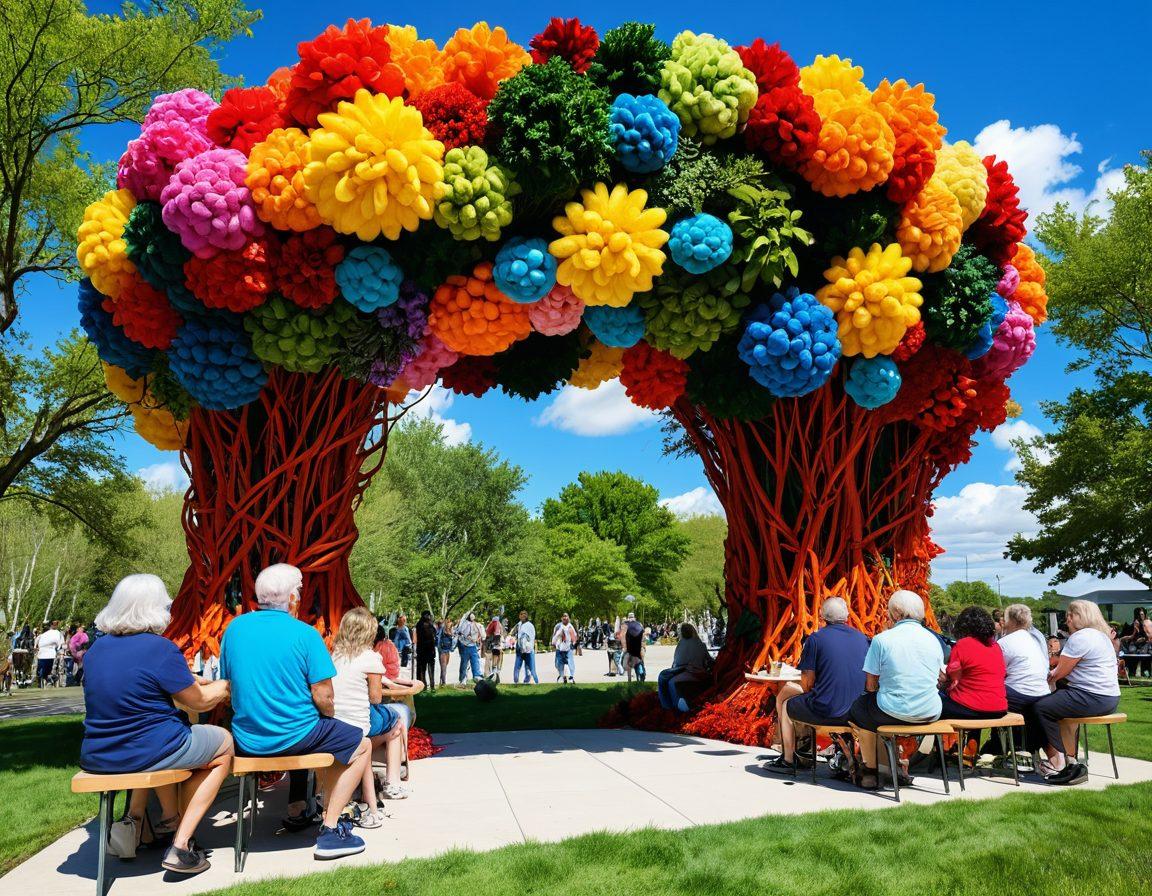
Incorporating eco art into our cultural fabric is more than just an aesthetic choice; it's essential for fostering environmental awareness. Artivism marries artistic expression with activism—an incredible vehicle for sparking conversations about climate justice and social responsibility. From installing large-scale renewable art installations in public spaces to holding workshops that promote awareness of sustainable practices, the possibilities are endless. As we bear witness to the transformative power of nature-inspired art, individuals can find their place in this movement—whether as admirers, collectors, or passionate advocates. The question remains, will you take a step towards articulating your love for the planet through art?
Art as Activism: Inspiring Change Through Nature-Inspired Sustainable Practices
Imagine walking through a gallery filled not only with vibrant colors and intricate details, but also with messages that resonate deeply with our pressing global challenges. Today, art is not just a means of expression; it has evolved into a powerful tool for activism. As we navigate the complexities of the climate crisis, artists across the globe are harnessing their creativity to inspire environmental awareness. From environmentally-conscious exhibitions to nature-inspired sustainable practices, the rise of eco art is revealing how the canvas can serve as a call to action for climate justice.
The connection between art and the environment is not a new phenomenon, but in the midst of a climate emergency, it is more crucial than ever. Artists like Olafur Eliasson and Ai Weiwei are at the forefront of contemporary environmental art, using their platforms to spark conversations around climate solutions and social responsibility. Imagine a piece made with recycled materials, or installations that transform public spaces into reminders of our collective obligation to protect nature. Such works of 'green art' highlight not just beauty, but also the urgency of our environmental crisis. In a world overwhelmed by negative news, we need this positivity, a reminder that change is possible and that art can lead the charge.
Artivism, a marriage of art and activism, is reshaping environmental advocacy through art. It's more than just creating aesthetically pleasing pieces; it's about sharing powerful stories that confront the status quo. Take a moment to think about the stories that resonate most with you. Are they tales of wildlife struggling for survival or the beauty of untouched landscapes at risk? When artists weave these narratives into their work, they create an emotional connection that ignites passions and compels action. Quotes like, "Art enables us to find ourselves and lose ourselves at the same time," remind us that through engagement with art, we can uncover our roles in the wider fight for ecological balance and sustainable practices.
But how can you, as an individual, engage in the movement of eco art? First, follow and support artists who are committed to the cause. Attend exhibitions that showcase sustainable art practices and participate in workshops focused on ecological art creation. Use your voice—share their work on social media platforms or even create art that reflects your commitment to nature conservation. Ultimately, art is for everyone; it's a canvas for collective thoughts, feelings, and aspirations about our future. By participating in artist activism and environmental impact art, you contribute to a broader narrative that urges society to rethink its relationship with the planet.
In this era of heightened environmental awareness, it's time to acknowledge that every brushstroke can represent a vision of hope and accountability. The question we must ask ourselves is: What kind of legacy do we want to leave for future generations? Remember, change begins with each of us, and art can be the medium through which we channel our aspirations for a more sustainable world. Let's not just appreciate nature-inspired art; let's become part of a movement that advocates for its preservation. Let's support art and sustainability, live out the principles of renewable art, and push forward the boundaries of what eco art can achieve. Together, we can create a more environment-friendly landscape, one where love for our planet is etched into the canvas of our lives.